
Tokyo is a city that thrives on a reputation of hyper-efficiency, crowded subway cars, and the dazzling, sensory overload of Shibuya and Shinjuku. For many, it is the ultimate concrete jungle—a sprawling metropolis where skyscrapers stretch to the clouds and the pace of life never slows. However, beneath this layers of high-tech infrastructure and neon lights lies a different version of the city. There is a “Hidden Tokyo” that offers tranquil gardens, ancient pockets of tradition, and secret natural escapes that feel worlds away from the urban grind.
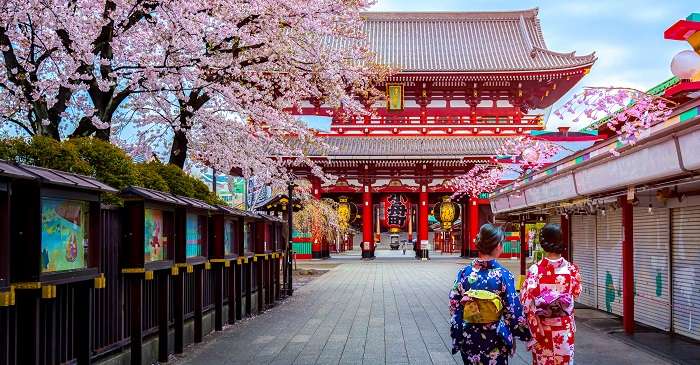
For the traveler willing to look beyond the major tourist hubs, the city reveals itself as a collection of hidden paradises. These are the places where the roar of the city fades into the rustle of bamboo leaves and the gentle trickle of koi ponds.
The Secret Islands of Tokyo: Ogasawara and Izu
Most visitors are shocked to learn that Tokyo is not just a city, but a prefecture that includes a chain of sub-tropical islands stretching over a thousand kilometers into the Pacific Ocean. While technically part of the capital, the Ogasawara Islands are a true hidden paradise.
Known as the “Galapagos of the Orient,” the Ogasawara archipelago is a UNESCO World Heritage site accessible only by a 24-hour ferry ride from the mainland. Because there is no airport, the islands have remained pristine and largely untouched by mass tourism. Here, the “neon” is replaced by bioluminescent mushrooms and the clearest starlight you will ever see. Visitors can swim with wild dolphins, hike through ancient fern forests, and relax on white sand beaches where the water is a deep, mesmerizing “Bonin Blue.” It is the ultimate hidden escape for those who want to see a side of Tokyo that looks like a tropical dream.
Yanaka Ginza: The Village Time Forgot
Back on the mainland, tucked away in the northern part of the city, lies the neighborhood of Yanaka. This area is part of the “Shitamachi” (old downtown) and is one of the few places in Tokyo that survived the firebombing of World War II and subsequent natural disasters.
Walking into Yanaka is like stepping through a portal into the Showa era. It is a place of narrow winding alleys, small wooden temples, and traditional craft shops. The neighborhood’s crown jewel is the Yanaka Cemetery, which, despite its purpose, is a stunningly beautiful park-like space where cherry blossoms create a pink canopy in the spring. There are no towering department stores here; instead, you find tiny galleries, old-fashioned “senbei” (rice cracker) shops, and a slow, rhythmic pace of life that feels like a warm embrace.
Todoroki Valley: An Urban Jungle Sanctuary
It seems impossible that a lush, green ravine could exist just twenty minutes from the bustling center of Shibuya, but Todoroki Valley is exactly that. As Tokyo’s only natural valley, it is a geological anomaly that provides an instant “reset” for the weary traveler.
Once you descend the stairs near Todoroki Station, the temperature drops noticeably. A wooden boardwalk follows a small stream, flanked by steep slopes covered in dense foliage and towering trees. Along the path, you will find the Todoroki Fudoson Temple and a traditional Japanese tea house where you can sit and listen to the birds. The canopy is so thick that it masks the sound of the traffic above, creating a bubble of serenity that feels like a secret garden shared only by locals.
The Floating Paradise of Lake Okutama
On the far western edge of the Tokyo Metropolis lies the Chichibu-Tama-Kai National Park, home to Lake Okutama. While it is a man-made reservoir, the surrounding mountains and the crystal-clear water make it one of the most scenic hidden paradises in the region.
Lake Okutama is particularly famous for its “Mugiyama” floating bridge—a pontoon bridge that allows hikers to walk right across the center of the lake. In the autumn, the surrounding hillsides explode into a tapestry of fiery reds and oranges, reflecting perfectly on the still water. It is a haven for hikers, photographers, and anyone looking for a mountain retreat without leaving the Tokyo administrative borders. The area is also famous for its hot springs (onsen), where you can soak while looking out over the forested peaks.
Nezu Museum and its Secret Garden
Sometimes, paradise is hidden in plain sight. In the upscale fashion district of Aoyama, the Nezu Museum is well-known for its collection of pre-modern Japanese and East Asian art. However, the true hidden gem is the private garden located behind the museum building.
This sprawling, hilly garden is a masterpiece of Japanese landscaping. It features several rustic tea houses, ancient stone lanterns, and winding paths that lead through groves of iris and over small bridges. The clever use of “shakkei” or borrowed scenery makes the garden feel vast and secluded, even though you are mere blocks away from the flagship stores of global luxury brands. It is a quiet sanctuary of high culture and natural beauty that remains unknown to many who walk right past its front doors.
Conclusion
The true magic of Tokyo lies in its duality. It is a city that can be both the loudest place on earth and the quietest, depending on where you turn. Exploring these hidden paradises—from the remote volcanic islands of the Pacific to the tucked-away valleys of the suburbs—provides a more balanced and profound understanding of what the Japanese capital truly is.
Tokyo is not just a place to be seen; it is a place to be discovered. By stepping off the beaten path, you find that the city’s greatest luxury isn’t its Michelin-starred restaurants or its high-speed trains, but its ability to offer a moment of pure, undisturbed peace in the middle of the world’s most populous metropolitan area.
Would you like me to create a specific one-day itinerary for exploring the “Old Tokyo” charm of Yanaka, or perhaps provide a guide on the best time of year to visit the remote Ogasawara Islands?