
The idea of traveling alone, especially during the holiday season, often evokes a mix of intense excitement and lingering hesitation. For some, it is the ultimate liberation—a chance to see the world on one’s own terms without the compromise of group dynamics. For others, the thought of navigating foreign transit systems or dining alone at a festive table can feel daunting.
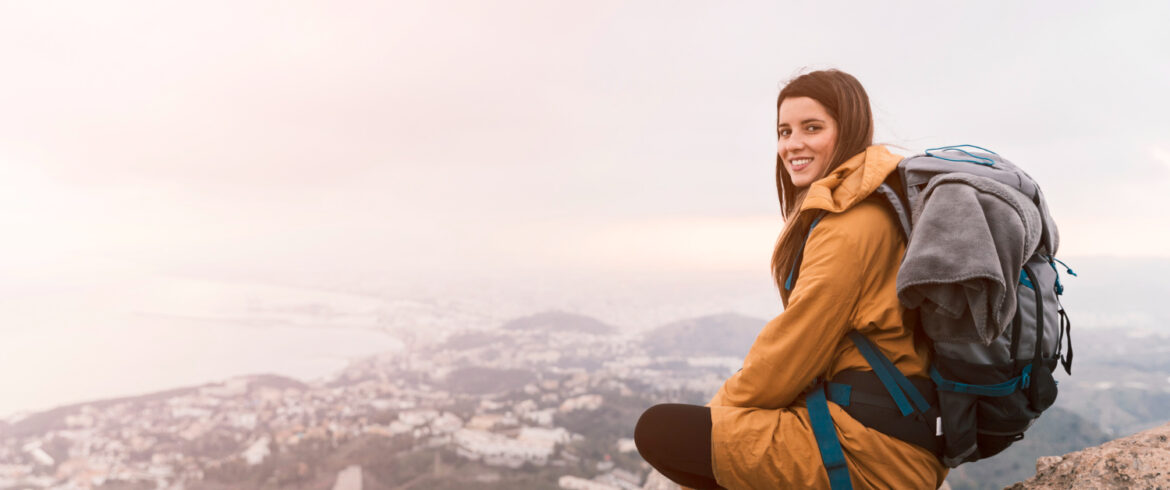
However, solo traveling is perhaps the most profound gift you can give yourself. It fosters a level of self-reliance and confidence that no other experience can replicate. Whether you are planning to spend your holiday wandering through European Christmas markets or trekking through a tropical rainforest, the following guide will help you navigate the nuances of the independent journey with grace and safety.
The Psychology of Solo Success: Preparation and Mindset
The success of a solo trip begins in the mind long before the suitcase is packed. When you travel with others, you share the burden of decision-making. When you travel alone, you are the captain, the navigator, and the crew.
Start with a “Soft” Solo Experience
If you are new to solo travel, do not feel pressured to book a three-week expedition across a remote continent. Start with a “test run”—a weekend trip to a nearby city where you speak the language. This allows you to practice the logistics of solo dining and navigation without the added stress of a significant cultural or linguistic barrier.
Research, but Leave Room for Serendipity
Information is the solo traveler’s greatest ally. Map out your route from the airport to your accommodation in detail. Know which neighborhoods are vibrant and which are best avoided after dark. However, avoid over-scheduling every hour. One of the greatest joys of traveling alone is the ability to change your mind. If you find a charming cafe and want to sit there for three hours reading a book, there is no one there to tell you that you are “wasting time.”
Safety and Connectivity in the Modern World
Safety is the primary concern for most solo travelers, and rightfully so. However, being alone does not mean being vulnerable; it simply means being more intentional about your surroundings.
The Digital Safety Net
In the modern era, a solo traveler is never truly “alone” unless they choose to be. Ensure your phone is unlocked and purchase a local SIM card or an eSIM immediately upon arrival. Share your live location with a trusted friend or family member via apps like Google Maps or Find My. Additionally, keep a digital and physical copy of your passport, travel insurance, and emergency contacts in separate locations.
The “Confidence” Cloak
The best way to avoid being a target for scams is to look like you know exactly where you are going, even if you are hopelessly lost. If you need to check your map, step into a shop or a cafe rather than standing on a busy street corner looking confused. Maintaining an air of confidence and purposeful movement is often enough to deter unwanted attention.
Mastering the Social Aspect of Solitude
One of the biggest myths about solo travel is that it is lonely. In reality, you are often more approachable when you are alone than when you are part of a loud group.
Choosing the Right Accommodation
If your goal is to meet people, skip the sterile hotel and opt for a boutique hostel or a guesthouse with communal areas. Many modern “flashpacker” hostels offer private rooms, giving you the comfort of a hotel with the social infrastructure of a shared space. Joining organized walking tours or cooking classes is another excellent way to meet fellow travelers in a low-pressure environment.
The Art of Solo Dining
Dining alone is often the final hurdle for the solo traveler. If you feel self-conscious, look for restaurants with bar seating or communal tables. Sitting at the bar often leads to interesting conversations with the bartender or other solo diners. If you prefer a quiet meal, bring a book or a journal. In many cultures, a solo diner with a book is seen as a figure of sophisticated leisure, not loneliness.
Logistics: Packing and Budgeting for One
Traveling alone means you carry your own weight—literally. You won’t have anyone to watch your bags while you run to use the restroom, so mobility is key.
Pack Light and Smart
Limit yourself to a high-quality carry-on and a small backpack. Being able to move quickly through train stations and up flights of stairs without assistance is a major safety and convenience advantage. Choose versatile clothing that can be layered and sticks to a single color palette to maximize outfit combinations.
The “Solo Tax” and Budgeting
Unfortunately, the travel industry is often built for couples, leading to the dreaded “single supplement” on cruises and tours. To counter this, look for “solo-friendly” tour operators who waive these fees. On the flip side, traveling alone can be cheaper because you have total control over your spending. You can choose to have a luxury meal one night and a simple grocery-store picnic the next without having to negotiate with a partner’s budget.
Conclusion
Solo traveling during the holidays is an act of courage that pays dividends in self-discovery. It strips away the labels and expectations placed upon you by your daily life and allows you to rediscover who you are when no one is watching. By prioritizing safety, staying connected, and remaining open to the world around you, you turn a simple vacation into a transformative life event. The world is a vast, beautiful place, and you don’t need to wait for anyone else’s permission or company to see it.
Would you like me to create a specific list of the top five solo-travel destinations for 2026, or perhaps write a guide on how to take professional-quality photos of yourself while traveling alone?